My thumb is still healing and I am not using the computer much. Today I am publishing excerpts from my book, Tales Of Whitethorn.
Prince 1948
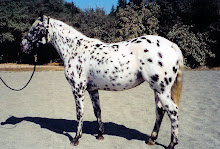
On a beautiful dreamlike morning in May, a big grey horse appears in Whitethorn. Nobody seems to own him He may have drifted up the Whitethorn Road from somewhere near Briceland, a small town about 10 miles away, or he may have simply stepped out of the mist of a fairy tale. We found him wandering in a nearby field and put him in a makeshift corral at her house.
Today, I run down the Whitethorn Road to Shirley’s house, where I’m stopped dead by the sight of the towering beauty in her corral. I rush closer and take in his huge body and lofty grey head. He is taller than any horse I’ve ever seen. I inch my way into his corral and put my hand on his velvet nose. He welcomes me with a nudge, as if asking, “Where’s the grain?”
“We don’t have grain here in Whitethorn, but I can pick you some grass,” I tell him, happy he’s friendly and gentle....
“I’m going to get on him,” I announce, “but we need to make a bridle first.”
We search the barnyard and find an old rope covered in dried mud. Its frayed ends go deep into the earth like twisted roots and it takes both of us to pull it up. We clean it and make it into a large bridle complete with long reins. I fit the bridle around his head .....putting the rope behind his ears and attaching it to the part of the rope around his nose.
I grab his mane with my left hand and try to swing my legs over his back. He’s almost twice as tall as I am. On the first try my feet make it only half way to the top. He is not skinny like Brownie so his big belly gets in the way.....
Time after time I swing on his mane and try to reach what I’m sure is heaven. Each time I give a great big swing, I get my feet a couple of inches higher. Finally I make it up to his back, covered with sweat and gasping for breath.
Perched high on the big gray’s fat back, my legs are spread wide instead of down. I love the feel of his big hairy back against my legs. I feel like a king looking over my Whitethorn kingdom. I sit there, knowing my life is changed forever. The back of a horse is where I belong. But he is not just a “horse”, he must have a name.
I think on it real deep. I got it! ” From this moment forward I pronounce you ‘Prince’.”
I pull one of the reins to the right and Prince turns around. I give him a little kick and we are on our way. I think I may be a natural-born rider. Everything goes great until Prince starts to trot and I begin to bounce up and down. But I’m not discouraged because I know I will soon be riding like I’m part of him.
A couple of weeks later, I’m riding like a cowboy. I can float along on Prince’s back when he walks, trots, or gallops and I can swing up on his bare back like an acrobat.
One hazy June day, I go out to catch Prince and he is nowhere to be found. He has vanished! Did he return to the town of Briceland, or did he travel back to the enchanted land where he came from? It’s hard to be without him. I no longer sit high upon his back, galloping through the woods and fields of Whitethorn. No one has heard any news of him since he disappeared. Wherever he is, I hope he’s happy and fat and remembers our time together. He taught me how to ride and foretold of my life with horses. I will miss him forever.
Copyright 2009 Sharon Porter Moxley
Sunday, June 7, 2009


Saturday, May 23, 2009
Thumb sprain
Hi Folks: I have not been blogging because I injured my thumb. It will be a while before it gets well. Sharon
Thursday, April 23, 2009
Immunization for Kids and Dogs
My last blog entry focused upon the thousands and thousands of women who died giving birth. What I didn't say was many of the children who were born healthy later died of the various diseases. For centuries children were not protected by medical advances that developed immunizations against these killers.
Although childhood immunizations have prevented the agony and deaths of untold millions, here in Sonoma County, California a great debate has emerged regarding the safety of giving childhood vaccinations. In some parts of Sonoma County as high as 50% of children do not get the preventive inoculation.
Fear of Autism
Although it has been proven that the shots do not cause autism, some people still believe they cause it. The rate of autism has shot through the roof, but the actual cause of this rise may be due to more accurate diagnosis. As a school psychologist, I found tremendous resistance to bringing up this diagnosis with parents and other professionals in the field. Thus many of the children I believed had autistic characteristics were left undiagnosed. After the motion picture Rainman came out, reducing the stigma of autism, many parents who had a child with poor communication and social interaction skills wanted the previously feared diagnosis. In addition, 30 to 40 years ago professionals believed autism was caused by what they called,"refrigerator parents." Of course parents feared the pronouncement that they were so cold and uncaring their child developed poor language development and inadequate interpersonal skills.
Today, the parents are not being blamed for their child's autism (a neurological disorder that is probably genetic) and funds and special education programs are provided for children with this label. There are now parent support groups providing education tips for a family who has an autistic child. The result of these changes has allowed many more children to receive a rightly deserved diagnosis of autism. Thus the rate of autism has risen.
Lack of Information about past childhood diseases:
Since many children have been immunized for childhood diseases there is often a herd protection for children who do get measles, mumps, diphtheria, polio and other killers of kids. Thus the general population tends to forget the tragic consequences of catching these diseases.
I remember my Grandmother telling about her little brother dying of diphtheria when he was two years old. He was not the only one. Every child two and younger died in her small town, during this outbreak.
Before Polio shots were developed almost thirty thousand children caught this tragic disease every year.
Before I wrote this opinion, I looked it up on the Internet. What I found was a wild mixture of truths and myths. Any parent doing research of the safety of vaccines should be thoroughly confused after reading the pros and cons.
One thing I know for sure, my two Chihuahuas get their shots every year. They never get sick. My daughter also received her childhood vaccines as prescribed by her physician. She never caught any of the killer diseases. However, I did not receive a measles vaccine. When I was 30 years old I caught measles. At first I got the typical rash and fever. Then my joints swelled up. I could not go to work for a month. Very scary.
Copyright 2009 Sharon Porter Moxley
Although childhood immunizations have prevented the agony and deaths of untold millions, here in Sonoma County, California a great debate has emerged regarding the safety of giving childhood vaccinations. In some parts of Sonoma County as high as 50% of children do not get the preventive inoculation.
Fear of Autism
Although it has been proven that the shots do not cause autism, some people still believe they cause it. The rate of autism has shot through the roof, but the actual cause of this rise may be due to more accurate diagnosis. As a school psychologist, I found tremendous resistance to bringing up this diagnosis with parents and other professionals in the field. Thus many of the children I believed had autistic characteristics were left undiagnosed. After the motion picture Rainman came out, reducing the stigma of autism, many parents who had a child with poor communication and social interaction skills wanted the previously feared diagnosis. In addition, 30 to 40 years ago professionals believed autism was caused by what they called,"refrigerator parents." Of course parents feared the pronouncement that they were so cold and uncaring their child developed poor language development and inadequate interpersonal skills.
Today, the parents are not being blamed for their child's autism (a neurological disorder that is probably genetic) and funds and special education programs are provided for children with this label. There are now parent support groups providing education tips for a family who has an autistic child. The result of these changes has allowed many more children to receive a rightly deserved diagnosis of autism. Thus the rate of autism has risen.
Lack of Information about past childhood diseases:
Since many children have been immunized for childhood diseases there is often a herd protection for children who do get measles, mumps, diphtheria, polio and other killers of kids. Thus the general population tends to forget the tragic consequences of catching these diseases.
I remember my Grandmother telling about her little brother dying of diphtheria when he was two years old. He was not the only one. Every child two and younger died in her small town, during this outbreak.
Before Polio shots were developed almost thirty thousand children caught this tragic disease every year.
Before I wrote this opinion, I looked it up on the Internet. What I found was a wild mixture of truths and myths. Any parent doing research of the safety of vaccines should be thoroughly confused after reading the pros and cons.
One thing I know for sure, my two Chihuahuas get their shots every year. They never get sick. My daughter also received her childhood vaccines as prescribed by her physician. She never caught any of the killer diseases. However, I did not receive a measles vaccine. When I was 30 years old I caught measles. At first I got the typical rash and fever. Then my joints swelled up. I could not go to work for a month. Very scary.
Copyright 2009 Sharon Porter Moxley
Monday, April 20, 2009
Childbirth Deaths of Women
As most of you know, who read this Blog, I have long been researching my ancestry. I have been able to discover my ancestors as far back as 1500 years ago. It has been fascinating to find that some of them were Kings and Queens and some of them died in the crusades in the Holy Land. I have photographs of many castles these fortunate families owned still standing in Europe.
Throughout this adventure a sad fact has come to light. Many of my female ancestors died the same year they gave birth to one of their children. I knew childbirth was a dangerous event prior to modern medicine but I didn't have the names and death dates of so many of these poor young women. Some of them died in their teens others in their twenties or older. Childbirth fever must have been a common cause due to midwives or doctors failing to wash their hands. Others must have died an agonizing death when the baby was born breach or the mother bled to death during the birth. Of course there were many women who survived a dozen or more births of healthy babies.
Today I remember and honor those brave women who gave their lives so that I might live hundreds of years later.
Copyright 2009 Sharon Porter Moxley
Throughout this adventure a sad fact has come to light. Many of my female ancestors died the same year they gave birth to one of their children. I knew childbirth was a dangerous event prior to modern medicine but I didn't have the names and death dates of so many of these poor young women. Some of them died in their teens others in their twenties or older. Childbirth fever must have been a common cause due to midwives or doctors failing to wash their hands. Others must have died an agonizing death when the baby was born breach or the mother bled to death during the birth. Of course there were many women who survived a dozen or more births of healthy babies.
Today I remember and honor those brave women who gave their lives so that I might live hundreds of years later.
Copyright 2009 Sharon Porter Moxley
Friday, April 17, 2009
Moving to Whitethorn
My mother and I moved to Whitethorn when I was 8 years old. Albert Sharpe who owned the Whitethorn Lumber Company was my new stepfather. The following is from my book, Tales of Whitethorn, Growing Up With Loggers. It is from the second chapter, The Road To Whitethorn, where I get my introduction to the Whitethorn road.
"After Briceland, we start climbing into the hills. The country looks pretty bare except for a few scrubby bay trees and manzanita brush. I crane my neck looking out at tree stumps and dead branches scattered all over the mountains.
I turn to Al. “Why are all the trees cut down?”
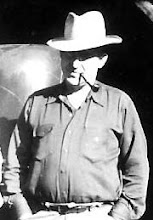
He looks at me and pulls his smoking pipe out of his mouth. “When I moved out here, most of this country was filled with trees. Giant redwoods, fir and tan bark. The redwoods and fir trees were cut for lumber and the tan bark was stripped from the trees and used for tanning leather. What’s left on the mountains out there is called, ‘slashings’.”
“’Slashings,’ sure is the right word,” I agree, “It looks like a giant pirate ran all over the place swinging his sword taking out everything in sight.” I spend a few minutes imagining a wild pirate swinging his gleaming sword at all the trees.
For the next couple of miles the road is so rough I have to hang on to my seat. I wonder why anyone would want to live way out here. “Why did you come to Whitethorn?” I ask Al.
“I wasn’t born in this country,” he says. I was born in Canada.”
“Where is Canada?”
“Canada is a big country way up north,” he explains. When I came to California, I made enough money in the woods to buy a saw mill. The Whitethorn Lumber Company was for sale for a decent price so I bought it.”
I sit back in my seat. He does talk kind of funny, like saying ‘bean’ instead of ‘been.’ “Why did you leave Canada?” I ask.
“When I graduated eighth grade, my father wanted me to work in our store instead of going to high school. I was so mad I ran away from home.”
My eyes widen. “Did you join a circus? I’ve heard stories about kids running away and working in a circus.”
He chuckles, “I went to the United States and started working in a coal mine.”
“A coal mine!”
“Yep. I worked there a couple of years. One day, I decided I would spend my whole life in a dark and dirty hole in the ground, if I didn’t do something to get out.”
“I’ve nevcr known anyone who worked in a coal mine. So how did you get away?”
He chuckles again. “You might say I played my way out. I started playing poker with the miners and before long, I made a big enough stake to leave and look for some other kind of work.”
“You must be a super poker player,” I reply, impressed.
My mother Ruby jumps into the conversation. “He’s the best poker player I’ve ever seen. No one can beat him.”
I sit quiet for a while, mulling it all over. Finally I ask. “Do you still own the mill?”
“Yep.”
“When we get to Whitethorn, we’ll take you to visit the mill,” Ruby adds.
Suddenly, the road becomes real steep and turns into a big S shape. Ruby shifts down to a lower gear. “Is this where I double clutch it?” she asks Al.
“Yes. Just push the clutch in a couple of times while you’re shifting.”
As Ruby tries to do the double clutch an awful grinding noise fills up the cab. I’m scared to death the pickup is falling apart.
Al clamps his teeth down on his pipe and hollers, “You’re not doing it right!”
“I just can’t get the hang of it!” Ruby wails.
Finally we grind to the top of the hill. The road to Whitethorn sure is rough, and I worry a little about what’s waiting for me at the end of it.
From the top of the hill, we free wheel it downhill. When my mother rolls down her window, a wonderful scent hits my nose along with the dust. It reminds me of sweet flowers, spicy bay leaves and wild berries. Maybe Whitethorn is going to be okay. I can hardly wait to get there and see what it’s like. “When are we going to get there, Ruby?”
She smiles. “It won’t be long now.”
A little while later the country starts to change again. I see a couple of small ranches with pastures that hold cows and sheep. Red dusty roads are branching out in all directions up into the mountains. Al says they are old logging roads and even today a few people live in some of the old shacks built on them. I wonder if we are soon going to turn into one of these old roads. I would hate to live up on these mountains with heaps of dust piled high on both sides of our house.
“See those bushes out there beside the road?” Ruby says. “They are whitethorn brush. The closer we get to Whitethorn, the more whitethorn brush you’ll see.”
I look around, but see only some stringy green bushes, nothing white. “Why do they call it whitethorn?” I ask.
“In the spring, they bloom masses of beautiful white flowers,” Ruby replies.
It isn’t long before our broken down road brings us to a little town. This must be Whitethorn. Like in Briceland, everything is covered with dust, only not so deep. A tiny grocery store sits on the left and a post office on the right. I don’t see a bar yet, but I’m sure it’s here. Other dirt roads split off from the main road. A River cuts off the houses on the right, and to get to them, it looks like people have to cross a scary-looking narrow bridge.
The main road follows along beside the river and we soon pass a meadow full of whitethorn and poison oak. What fun. Now I’ll be able to catch poison oak again just like I did in Bull Creek.
Copyright 2009 Sharon Porter Moxley
"After Briceland, we start climbing into the hills. The country looks pretty bare except for a few scrubby bay trees and manzanita brush. I crane my neck looking out at tree stumps and dead branches scattered all over the mountains.
I turn to Al. “Why are all the trees cut down?”
He looks at me and pulls his smoking pipe out of his mouth. “When I moved out here, most of this country was filled with trees. Giant redwoods, fir and tan bark. The redwoods and fir trees were cut for lumber and the tan bark was stripped from the trees and used for tanning leather. What’s left on the mountains out there is called, ‘slashings’.”
“’Slashings,’ sure is the right word,” I agree, “It looks like a giant pirate ran all over the place swinging his sword taking out everything in sight.” I spend a few minutes imagining a wild pirate swinging his gleaming sword at all the trees.
For the next couple of miles the road is so rough I have to hang on to my seat. I wonder why anyone would want to live way out here. “Why did you come to Whitethorn?” I ask Al.
“I wasn’t born in this country,” he says. I was born in Canada.”
“Where is Canada?”
“Canada is a big country way up north,” he explains. When I came to California, I made enough money in the woods to buy a saw mill. The Whitethorn Lumber Company was for sale for a decent price so I bought it.”
I sit back in my seat. He does talk kind of funny, like saying ‘bean’ instead of ‘been.’ “Why did you leave Canada?” I ask.
“When I graduated eighth grade, my father wanted me to work in our store instead of going to high school. I was so mad I ran away from home.”
My eyes widen. “Did you join a circus? I’ve heard stories about kids running away and working in a circus.”
He chuckles, “I went to the United States and started working in a coal mine.”
“A coal mine!”
“Yep. I worked there a couple of years. One day, I decided I would spend my whole life in a dark and dirty hole in the ground, if I didn’t do something to get out.”
“I’ve nevcr known anyone who worked in a coal mine. So how did you get away?”
He chuckles again. “You might say I played my way out. I started playing poker with the miners and before long, I made a big enough stake to leave and look for some other kind of work.”
“You must be a super poker player,” I reply, impressed.
My mother Ruby jumps into the conversation. “He’s the best poker player I’ve ever seen. No one can beat him.”
I sit quiet for a while, mulling it all over. Finally I ask. “Do you still own the mill?”
“Yep.”
“When we get to Whitethorn, we’ll take you to visit the mill,” Ruby adds.
Suddenly, the road becomes real steep and turns into a big S shape. Ruby shifts down to a lower gear. “Is this where I double clutch it?” she asks Al.
“Yes. Just push the clutch in a couple of times while you’re shifting.”
As Ruby tries to do the double clutch an awful grinding noise fills up the cab. I’m scared to death the pickup is falling apart.
Al clamps his teeth down on his pipe and hollers, “You’re not doing it right!”
“I just can’t get the hang of it!” Ruby wails.
Finally we grind to the top of the hill. The road to Whitethorn sure is rough, and I worry a little about what’s waiting for me at the end of it.
From the top of the hill, we free wheel it downhill. When my mother rolls down her window, a wonderful scent hits my nose along with the dust. It reminds me of sweet flowers, spicy bay leaves and wild berries. Maybe Whitethorn is going to be okay. I can hardly wait to get there and see what it’s like. “When are we going to get there, Ruby?”
She smiles. “It won’t be long now.”
A little while later the country starts to change again. I see a couple of small ranches with pastures that hold cows and sheep. Red dusty roads are branching out in all directions up into the mountains. Al says they are old logging roads and even today a few people live in some of the old shacks built on them. I wonder if we are soon going to turn into one of these old roads. I would hate to live up on these mountains with heaps of dust piled high on both sides of our house.
“See those bushes out there beside the road?” Ruby says. “They are whitethorn brush. The closer we get to Whitethorn, the more whitethorn brush you’ll see.”
I look around, but see only some stringy green bushes, nothing white. “Why do they call it whitethorn?” I ask.
“In the spring, they bloom masses of beautiful white flowers,” Ruby replies.
It isn’t long before our broken down road brings us to a little town. This must be Whitethorn. Like in Briceland, everything is covered with dust, only not so deep. A tiny grocery store sits on the left and a post office on the right. I don’t see a bar yet, but I’m sure it’s here. Other dirt roads split off from the main road. A River cuts off the houses on the right, and to get to them, it looks like people have to cross a scary-looking narrow bridge.
The main road follows along beside the river and we soon pass a meadow full of whitethorn and poison oak. What fun. Now I’ll be able to catch poison oak again just like I did in Bull Creek.
Copyright 2009 Sharon Porter Moxley
Saturday, April 4, 2009
More Shootings in USA
In the last two days there have been two mass murders in the United States. Yesterday thirteen innocent people were shot down by a depressed gunman. This morning, 3 police officers are reported killed when they responded to what they thought was a domestic dispute.
Again I wonder why I did not hear of shootings in Whitethorn and surrounding small towns. Of course the small population would rule out a statistical accounting, whereas we are presently looking at two incidents in the entire population of the United States. However, almost everyone in Whitethorn had guns, at the ready, in their homes and or in their pickups. Why didn't they shoot each other when they were depressed and angry?
Physical fights happened often enough for one observer to call fist fighting a community sport. I remember loggers traveling to bars with the specific intention of having a fight. The fights were brutal and sometimes involved everyone in the bar engaging in a violent brawl. The fights were later bragged about for weeks and even years. Guns were usually not considered by these tough loggers who prided themselves on their physical strength and courage.
Did the barroom sports events serve as a way to let off steam? Who knows? But that's the way it was when I was a kid growing up with loggers.
Copyright 2009 Sharon Porter Moxley
Again I wonder why I did not hear of shootings in Whitethorn and surrounding small towns. Of course the small population would rule out a statistical accounting, whereas we are presently looking at two incidents in the entire population of the United States. However, almost everyone in Whitethorn had guns, at the ready, in their homes and or in their pickups. Why didn't they shoot each other when they were depressed and angry?
Physical fights happened often enough for one observer to call fist fighting a community sport. I remember loggers traveling to bars with the specific intention of having a fight. The fights were brutal and sometimes involved everyone in the bar engaging in a violent brawl. The fights were later bragged about for weeks and even years. Guns were usually not considered by these tough loggers who prided themselves on their physical strength and courage.
Did the barroom sports events serve as a way to let off steam? Who knows? But that's the way it was when I was a kid growing up with loggers.
Copyright 2009 Sharon Porter Moxley
Friday, March 20, 2009
Guns and Depression
There has been more school shootings this year. The worst tragedy was in Germany where 15 people were shot. Once again guns were blamed for the horrible loss of young lives. In Whitethorn and Bull Creek almost everyone had guns. But I never heard of anyone being shot either by intention or accident. In that gun culture, young and old were taught gun safety. All guns were considered loaded and it was almost a capital offense if someone carelessly pointed the gun at another person. ( I still get upset watching movies where the hero waves his guns around.)
I am not against gun control but what seems to be overlooked again and again is the emotional state of the killer who is almost always depressed. Yet the knee jerk reaction is always gun control and the real killer, depression, is not even considered. People need to get that DEPRESSION KILLS or these tragedies will continue. People should also take note that the slaughter frequently happens around March or April. The reason for this has been thought to be related to the amount of sun a person gets providing Serotonin, a chemical that functions as mood control. The lack of sun in the winter can cause depression in some individuals. Someone who is deeply depressed is often confined to bed unable to function on a daily basis or make decisions. When the season changes in the spring the depressed individual is more likely to act out. Although the depression is still there, the surge of Serotonin can provide just enough energy to carry out a deadly rampage.
In 1998 Suicide was the 8th leading cause of death in the United States. 31,000 suicides occurred which was 50% higher than the homicide rate. Unfortunately, depression still remains a taboo subject and a high percentage of people who are depressed do not get adequate treatment.
Copyright 2009 Sharon Porter Moxley
I am not against gun control but what seems to be overlooked again and again is the emotional state of the killer who is almost always depressed. Yet the knee jerk reaction is always gun control and the real killer, depression, is not even considered. People need to get that DEPRESSION KILLS or these tragedies will continue. People should also take note that the slaughter frequently happens around March or April. The reason for this has been thought to be related to the amount of sun a person gets providing Serotonin, a chemical that functions as mood control. The lack of sun in the winter can cause depression in some individuals. Someone who is deeply depressed is often confined to bed unable to function on a daily basis or make decisions. When the season changes in the spring the depressed individual is more likely to act out. Although the depression is still there, the surge of Serotonin can provide just enough energy to carry out a deadly rampage.
In 1998 Suicide was the 8th leading cause of death in the United States. 31,000 suicides occurred which was 50% higher than the homicide rate. Unfortunately, depression still remains a taboo subject and a high percentage of people who are depressed do not get adequate treatment.
Copyright 2009 Sharon Porter Moxley
Subscribe to:
Posts (Atom)

 Posts
Posts


